Practical Guide to Localized Weather Stations
Localized weather stations are becoming increasingly popular in communities across Canada. These small-scale tech improvements can enhance local data collection and improve day-to-day decision-making. This guide explores how you can set up and benefit from a localized weather station in your neighborhood.
Understanding the Basics
Localized weather stations provide real-time weather data tailored to specific areas. According to a Natural Resources Canada study, having localized weather data can improve agricultural practices and community preparedness for severe weather. These stations typically measure temperature, humidity, wind speed, and precipitation levels, which can be invaluable in making informed decisions.

"Localized data often provides insights that generalized weather forecasts cannot, making it a critical tool for community resilience."
Benefits of Localized Weather Stations
- Accurate Data: Local weather stations often yield data that is more relevant to your specific area compared to broader forecasts.
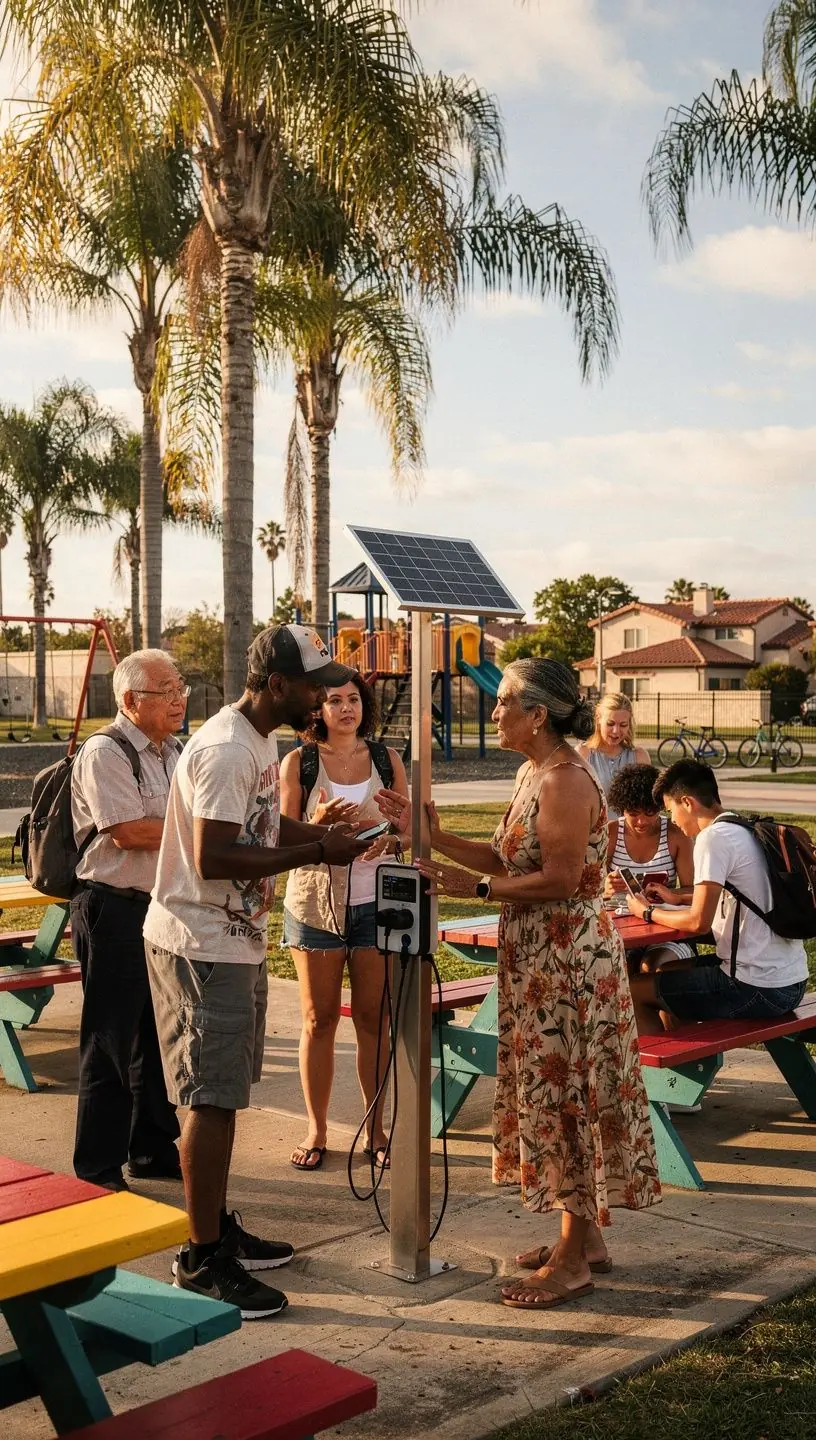
- Community Engagement: Setting up a weather station can foster collaboration within the community, as residents often come together to share data and insights.
- Educational Opportunities: Localized weather stations can serve as a practical tool for teaching about meteorology and environmental science in schools.
Setting Up Your Weather Station
Implementing a localized weather station involves several steps:
- Research and Selection: Choose a weather station that fits your community's needs. Many users recommend stations from brands like Ambient Weather or Netatmo due to their reliability and user-friendly interfaces.
- Location: Install the station in an open area away from buildings and trees to avoid interference with readings; ideally, this location should be accessible for maintenance.
- Data Collection and Sharing: Many stations come with apps that allow users to share data. Consider setting up a community platform for sharing insights and utilizing the data effectively.
Challenges and Considerations
While localized weather stations can be beneficial, there are limitations to consider:
- Cost: Initial setup can be expensive, with prices typically ranging from $100 to $500, depending on the features.
- Maintenance: Regular maintenance and calibration are necessary to ensure accuracy, which may require a time commitment from community members.
- Data Interpretation: Users may need a basic understanding of meteorology to accurately interpret the data collected.
Conclusion
Localized weather stations can significantly enhance the data available to communities in Canada, aiding in weather-related decision-making. While setting up and maintaining a station requires some effort and investment, the potential benefits—such as improved community engagement and enhanced preparedness—make it a worthwhile endeavor. By leveraging localized weather data, neighborhoods can foster resilience and adaptability in the face of changing weather patterns.
Learn More